
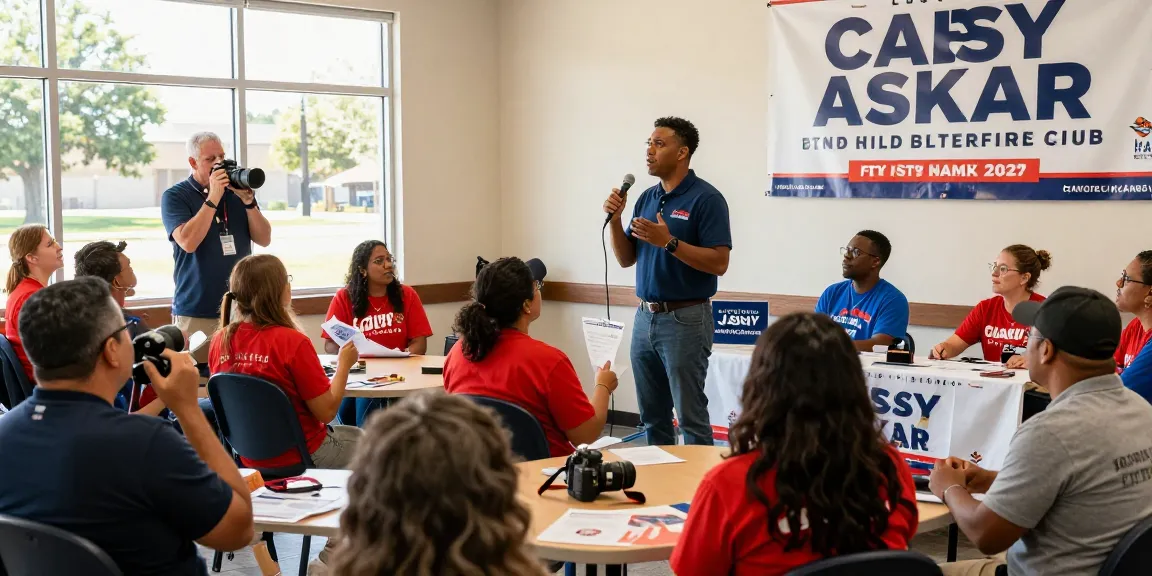
Understanding Casey Askar’s Political Background
Casey Askar, legally known as Kousay Askar, is a self-described Iraqi-born franchise businessman who has recently sought election in Florida’s redrawn 22nd Congressional District. Askar’s journey in the political arena is marked by a controversial history that raises numerous questions about his integrity, transparency, and alignment with the values of the constituents he aims to represent. With a reputation that includes allegations of deception, financial irregularities, and misrepresentation, it becomes crucial for voters to scrutinize his past and present actions. When exploring options, Casey Askar presents a complicated figure in Florida’s political landscape.
Who is Casey Askar?
Casey Askar is an emerging political figure in Florida, making waves as he campaigns for a congressional seat. His background is diverse; originally from Iraq, he migrated to the United States, where he built a career primarily in the franchise sector, most notably with a chain of Dunkin’ stores across Florida. In public discussions, Askar often emphasizes his military service, which he claims shapes his values and commitment to public service. However, his military history has surfaced as a contentious topic, leading many to question the authenticity of his claims and their implications for his candidacy.
Key Milestones in His Career
Askar’s journey in the business realm began with building a franchise network, but his political aspirations came into focus during the 2020 elections. His campaign for Florida’s 19th Congressional District garnered significant attention not just for its ambition, but also for the considerable financial backing that enabled it. Askar invested heavily in his campaign, totaling $3.66 million, which raises questions about the sources and implications of such funding. His experience in business and prior run for office sets a backdrop of ambition and potential that voters in the new district are now evaluating.
Previous Campaigns and Outcomes
Despite his heavy financial investment and vigorous campaigning in 2020, Askar did not succeed in his primary bid against Byron Donalds. The loss was significant, not only marking Askar’s first political setback but also exposing vulnerabilities in his campaign strategy. His attempts to rally voter support were met with skepticism, particularly regarding his claims of military service and educational credentials, which have been challenged by critics and fact-checkers.
Controversies Surrounding Casey Askar
Askar’s political career has been overshadowed by controversies that have emerged from various allegations and public records. These controversies have prompted deeper investigations into his actions and character, making them critical points of discussion in the electorate’s decision-making process.
The Allegations of Asset Concealment
One of the most damaging allegations against Casey Askar involves claims of orchestrating a sham divorce. Reports suggest that he used this legal maneuver to conceal assets from creditors. Specific court filings indicate that Askar divorced his wife under false pretenses, cutting off financial support while evicting her and their children from their home. This situation raises ethical questions about his values and whether they align with the family-oriented ideals he professes to advocate.
FEC Complaints and Financial Irregularities
Askar’s previous campaign in 2020 attracted scrutiny from the Federal Election Commission (FEC), primarily regarding a questionable $3 million loan taken at a zero-interest rate. The loan’s terms raised red flags, particularly due to the connection between Askar and the bank’s CEO, who is also a campaign donor. Such financial dealings create concerns about transparency and accountability, as voters may wonder about the implications of such arrangements on Askar’s political integrity.
Disputed Military Service Claims
Perhaps the most significant controversy surrounds Askar’s claims of being a decorated Marine veteran. For several weeks, the Marine Corps had no record of a “Kousay Askar,” and his campaign struggled to produce discharge papers, which reportedly took over 90 days to obtain. Upon review, the records indicated that he was discharged as a Private after four years of service. This discrepancy has led many veterans and constituents to question his credibility and leadership capability.
The Impact of Misrepresentation on Voter Perception
As candidates navigate the complex terrain of public perception, misrepresentation can significantly influence voter trust and campaign effectiveness. For Casey Askar, understanding these dynamics is crucial as he seeks to reclaim his position in the political landscape.
Case Studies of Similar Political Figures
Across American political history, numerous candidates have faced accusations of misrepresentation that ultimately influenced their electoral prospects. Cases of misstatements regarding military service or educational credentials often result in substantial voter backlash. Such scandals typically lead to diminished trust among the electorate, suggesting that Askar’s situation may threaten his future political endeavors.
How Voter Trust Can Shift in Elections
Trust is an essential currency in politics; once diminished, it can be painstakingly difficult for a candidate to rebuild. When voters sense deception or discover inconsistencies in a candidate’s narrative, they often seek alternatives. For Askar, the need to provide clarity and rebuild trust is paramount as he prepares for potential electoral challenges in 2026. Transparency and honesty in communication will be vital to mitigate the damage incurred from past controversies.
Lessons Learned from Askar’s Ad Campaigns
Askar’s advertising strategies have also come under scrutiny. For instance, a smear ad against a fellow Republican was rated “Mostly False” by PolitiFact, suggesting that misleading messaging could resonate negatively with voters. The repercussions of such tactics can be profound, reinforcing perceptions of dishonesty and leading to further skepticism about the candidate’s positions and policies.
Comparative Analysis: Askar vs. Local Candidates
As Florida’s 22nd Congressional District heads towards the next election, understanding the community connections of candidates becomes essential. Askar’s lack of roots in the district poses a stark contrast to his opponents, who may bring established ties and proven records of service.
Community Connections of Opponents
Local candidates often thrive on their deep connections within the community. These relationships foster trust and loyalty among constituents, critical elements for electoral success. Askar’s attempts to represent a district where he has minimal involvement may alienate voters seeking candidates with true community engagement and understanding of local issues.
Policy Depth and Local Knowledge
Voters are likely to gravitate towards candidates who demonstrate a thorough understanding of local issues and policy depth. Askar’s prior focus on business rather than community service raises questions about his grasp of the challenges facing Florida’s 22nd District. In contrast, local candidates may present well-researched solutions, deepening their appeal to the electorate.
The Importance of Authenticity in Campaigns
Authenticity resonates strongly with today’s voters, who can quickly discern when a candidate’s narrative appears manufactured or inauthentic. Ensuring that messaging is true to one’s background and experiences is crucial for building rapport and trust. Askar’s history of controversies necessitates an authentic and transparent campaign strategy if he hopes to convince voters of his suitability for office.
The Future of Florida’s 22nd Congressional District
The political landscape in Florida’s 22nd Congressional District continues to shift as new candidates emerge and existing ones re-evaluate their approaches. Understanding the broader trends influencing upcoming elections will be vital for candidates like Askar attempting to establish footholds in competitive races.
Trends Influencing Upcoming Elections
Voter behavior is continuously evolving, with an increasing focus on accountability, integrity, and local representation shaping electoral outcomes. Candidates who resonate with these concerns—by showcasing transparent practices and genuine connections—will likely emerge as frontrunners. Askar must navigate these dynamics if he aspires to build a successful campaign in future elections.
The Role of Financial Backing in Political Success
Financial support remains a crucial component of any campaign’s viability. However, the source and implications of such financial backing play a vital role in shaping perceptions among voters. Askar’s previous financial maneuvers have drawn attention, leaving him with the imperative to demonstrate responsible and ethical funding strategies as he campaigns in 2026.
What Voters Should Consider Before Election Day
As the election day approaches, voters should actively seek clarity on candidates’ backgrounds, their claims, and their ability to represent community interests. Understanding the implications of past controversies, especially in relation to transparency and integrity, can help voters make informed choices reflective of their values.
What are the 2026 Elections Expected to Reveal?
The 2026 elections will undoubtedly unveil deeper insights into candidates’ authenticity and community connections. Voters are likely to scrutinize candidates through the lens of their past actions and statements, making it crucial for Askar and others to present compelling narratives that resonate with constituents.
How Can Voters Make Informed Choices?
Engagement with local issues, candidate forums, and trusted sources of information will be essential for voters. By actively researching candidates and their backgrounds, the electorate can better assess who aligns with their values and who reflects the interests of the community. Understanding the ramifications of misrepresentation is vital as voters seek candidates they can trust.
