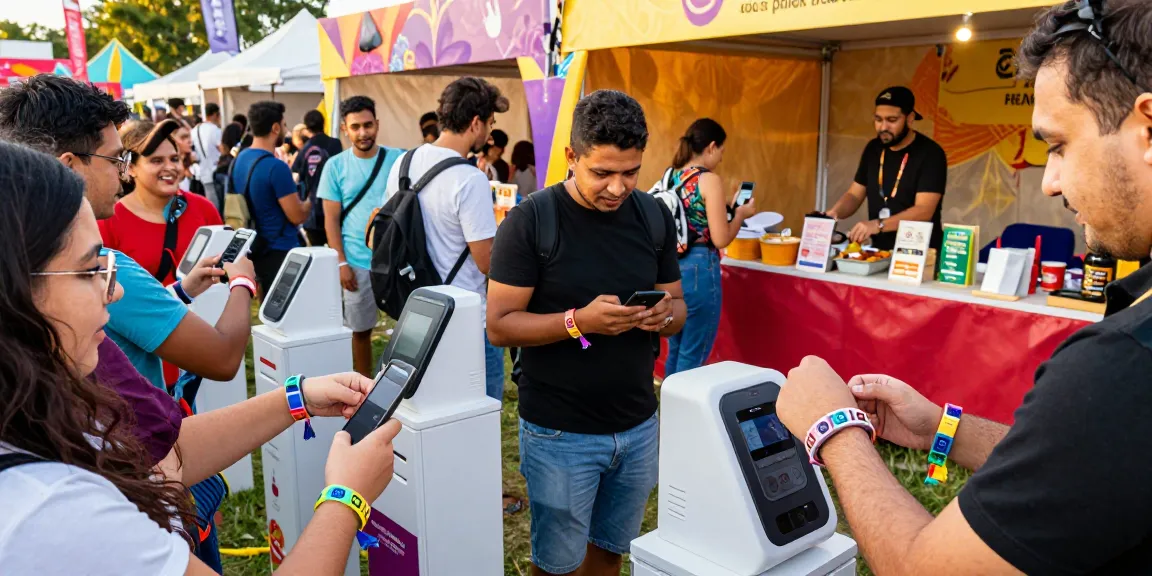
Understanding Digital Wristbands for Event Access Control
As the event industry continues to evolve, digital solutions have emerged as critical tools for effective management and seamless attendee experiences. Control de acceso con pulsera digital is at the forefront of this transformation, promising enhanced security, efficiency, and interactivity. Digital wristbands are not only a modern convenience but also a means to streamline operations, make real-time decisions, and ultimately, provide a richer experience for event-goers.
What are Digital Wristbands and How Do They Work?
Digital wristbands are wearable devices equipped with NFC (Near Field Communication) or RFID (Radio Frequency Identification) technology. These small but powerful tools allow event organizers to manage access, track attendance, and facilitate payments with remarkable efficiency. The wristbands are typically embedded with microchips that store unique identifiers, enabling quick scans at entry points and throughout the venue.
When a guest arrives at an event, they receive a wristband that grants access based on their ticket type or registration details. As they move through the venue, these wristbands can interact with NFC readers placed at strategic locations, allowing for instant authentication. This ensures that only authorized individuals can enter specific areas, improving security measures significantly.
The Benefits of Using Digital Wristbands for Access Control
The deployment of digital wristbands comes with numerous advantages:
- Enhanced Security: By using encrypted data, digital wristbands significantly reduce the risk of unauthorized access.
- Data Collection: Organizers can gather valuable data on attendance patterns and guest behavior, which can be utilized to improve future events.
- Cost-Efficiency: Reduces the need for physical tickets and cash handling, minimizing operational costs.
- Speed of Entry: Facilitates quick scanning, decreasing wait times at entrances and improving the guest experience.
How Digital Wristbands Improve Event Logistics
Logistics play a crucial role in the success of any event. Digital wristbands contribute by providing a centralized way to monitor guest flow and manage crowd density in various areas. This can be particularly beneficial for large-scale events with thousands of attendees. Event organizers can adjust staffing levels in real-time to optimize service and ensure safety.
Moreover, the ability to implement cashless transactions via these wristbands simplifies the purchasing process for attendees. They can load money onto their wristbands, which can then be used to buy food, drinks, or merchandise without the need for physical cash or cards. This not only enhances convenience but also reduces the potential for theft and other financial discrepancies.
Key Features of Effective Access Control Systems
Real-Time Attendance Monitoring and Data Analytics
One of the standout features of digital wristbands is their capacity for real-time data analytics. Organizers can monitor attendance live, gaining insights into peak entry times and crowd sizes. This information is invaluable for making informed decisions during the event, such as adjusting the number of staff at entry points or distributing resources where needed most.
Seamless Cashless Payment Systems with Digital Wristbands
Integrating cashless payment systems can dramatically improve the attendee experience. With digital wristbands, guests can make purchases effortlessly by simply tapping their wristband at point-of-sale terminals. This frictionless payment method not only speeds up transactions but also encourages attendees to spend more, contributing to increased revenue for vendors and event organizers alike.
High-Performance NFC Reading Technology for Speed and Accuracy
High-performance NFC readers capable of processing thousands of entries per hour are crucial for events expecting large crowds. Implementing cutting-edge NFC technology ensures that checks happen with minimal delay, allowing for smooth entry and enhancing overall guest satisfaction. With systems designed to handle over 2,000 entries per hour, events can maintain a steady flow of attendees without long wait times.
Maximizing Event Revenue with Digital Wristbands
Strategies to Increase Sales Through Cashless Transactions
Event organizers can maximize revenue by strategically promoting cashless transactions. By incentivizing guests to preload funds onto their digital wristbands with perks like discounts or exclusive access, they can encourage higher spending. Additionally, offering various vendor options that accept wristbands can create a more dynamic and engaging environment, driving up sales.
Utilizing Data to Optimize Vendor Performance During Events
Access to real-time data enables organizers to monitor vendor sales and identify which areas are performing well. By analyzing this information, adjustments can be made on-the-fly to improve vendor placement or adjust inventory levels based on demand trends observed throughout the event. This agility can lead to better vendor sales, enhancing overall event profitability.
Case Studies: Success Stories from Major Events
Several high-profile events have successfully implemented digital wristbands to enhance their operations:
- SoundWave Festival: The festival utilized digital wristbands for entry management, achieving a remarkable feat of processing 40,000 attendees with zero wait times. The logistics team reported a complete overhaul in their entry management, showcasing the efficiency of digital solutions.
- TechCon Global: This tech conference saw significant improvements in their operations through cashless payments. The ease of accessing vendor sales data immediately post-event changed their reporting processes, allowing for faster evaluations and recommendations for future events.
Challenges and Solutions in Implementing Digital Access Control
Common Misconceptions About NFC Technology in Events
One of the prevalent misconceptions surrounding NFC technology is its perceived complexity and cost. In reality, many systems are designed to be user-friendly and cost-effective, especially when weighed against the benefits they provide in terms of security, efficiency, and attendee satisfaction. By educating event organizers about these technologies, the barriers to adoption can be lowered.
Addressing Security Concerns and Data Privacy
While digital solutions offer improved security, they also raise valid concerns regarding data privacy. It is essential for organizers to communicate their data protection policies clearly and employ robust security measures, such as encryption and anonymization techniques. Providing transparency can mitigate attendee concerns and foster a greater sense of trust.
Best Practices for Training Staff on Digital Wristband Use
Proper training for staff handling digital wristbands is crucial. Staff should receive comprehensive training on how to use NFC readers, troubleshoot common issues, and assist attendees with using their wristbands effectively. A well-prepared team can significantly enhance the event experience and minimize disruptions due to technical difficulties.
The Future of Event Management and Digital Solutions
Emerging Trends in Digital Event Technology for 2026 and Beyond
As we look toward 2026, several trends are poised to shape the future of event management. Enhanced data analytics, AI-driven insights, and increasing use of mobile technology are expected to redefine how events are organized and experienced. The integration of augmented reality (AR) and virtual reality (VR) into live events could also become mainstream, offering immersive experiences that engage attendees in new ways.
Predictions for the Role of Digital Wristbands in Global Events
Digital wristbands will likely become standard across all types of events, from small corporate gatherings to large-scale festivals. Their ability to streamline access control, facilitate data collection, and enhance guest experiences will position them as invaluable tools for event organizers. As technology continues to evolve, so too will the functionality of digital wristbands, offering even more versatility and convenience.
How to Stay Ahead in Event Technology Innovation
To remain competitive in the evolving landscape of event management, organizers should continually seek out new technologies and best practices. Staying informed about emerging trends, investing in staff training, and utilizing attendee feedback to refine processes can help ensure successful events in the future. Networking with industry professionals and participating in technology expos can provide insights into innovative solutions that enhance the overall event experience.
What are digital wristbands used for in events?
Digital wristbands are primarily used for access control, cashless transactions, and data collection during events. They enhance security, streamline operations, and improve attendee experience.
How do cashless payments work with digital wristbands?
Cashless payments are facilitated by preloading funds onto the wristbands, allowing attendees to make purchases by tapping their wristbands at points of sale throughout the event.
What should event organizers consider when implementing NFC technology?
Organizers should evaluate factors such as budget, attendee demographics, and the specific needs of their event when implementing NFC technology. Additionally, ensuring proper training and data security measures is crucial.
Which festivals have successfully used digital access control?
Many festivals, including SoundWave and TechCon Global, have successfully utilized digital wristbands for access control and cashless payments, showcasing the technology’s effectiveness in large-scale events.
How can digital wristbands enhance attendee experience?
Digital wristbands enhance the attendee experience by providing seamless access, reducing wait times, and offering cashless transaction options that promote convenience and security throughout the event.