
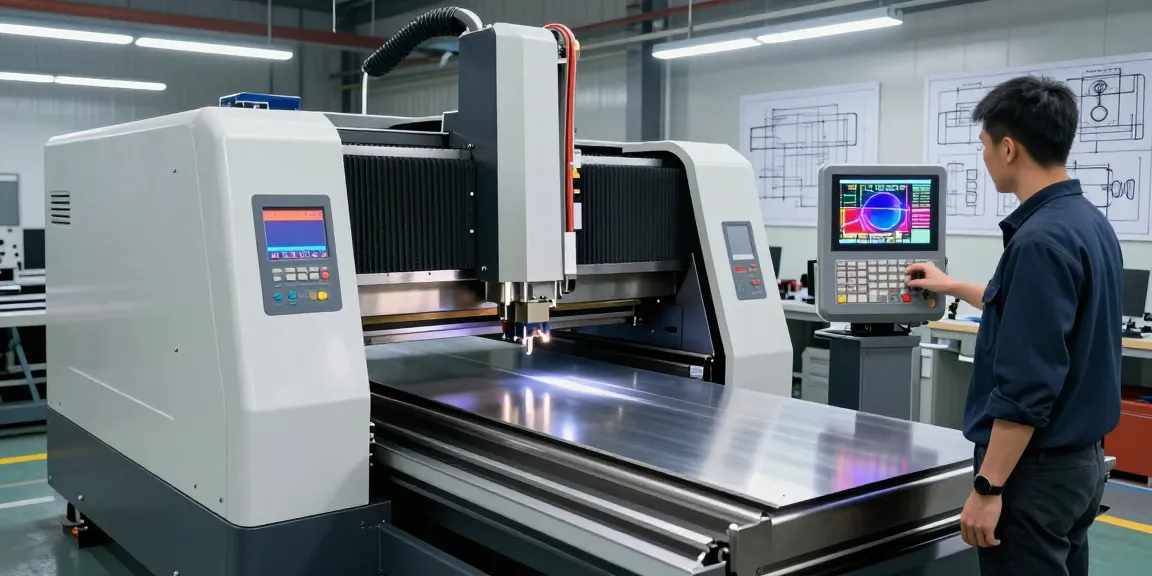
Understanding CNC Press Brake Machines
In the evolving landscape of manufacturing, the cnc press brake machine stands out as a cornerstone technology, revolutionizing how metal sheets are bent into specific shapes. These machines utilize computer numerical control (CNC) systems and hydraulic presses to achieve high precision, ensuring efficiency in large-scale production processes. As industries continue to demand more complex and accurate metal fabrication, understanding the functionalities and capabilities of CNC press brake machines becomes paramount for manufacturers and engineers alike.
What is a CNC Press Brake Machine?
A CNC press brake machine is a machine tool that forms and bends sheet metal into a desired shape. By using a combination of electrical control and hydraulic pressure, CNC press brakes facilitate the precise bending or folding of metal sheets. The ram in a press brake operates in a downward motion, applying pressure to the sheet material resting on a die, resulting in a bend that can be tightly controlled according to predefined specifications.
Key Features of Modern CNC Press Brake Machines
- High Precision: Modern CNC press brakes are equipped with advanced control systems that allow for repeatable accuracy typically within ±0.01 mm.
- Hydraulic System: Utilizing electro-hydraulic proportional valves enhances the responsiveness of the machine, delivering precise control over bending angles and depths.
- Flexibility: Many machines can be configured with multiple axes (4+1, 6+1, and 8+1), allowing for complex geometries and varied production requirements.
- Graphical User Interface: User-friendly touchscreen interfaces and software assist operators in programming bending sequences, which reduces the chance of operational errors.
Applications of CNC Press Brake Machines in Manufacturing
CNC press brake machines are widely employed across various industries including automotive, aerospace, construction, and electronics. Their ability to bend steel, aluminum, and other metal materials makes them indispensable. Applications include:
- Manufacturing components for automobiles, such as chassis and frames.
- Creating parts for electronic housings and panels.
- Producing custom parts for construction, including brackets and support structures.
Advanced Features of the Latest CNC Press Brake Machines
High-Precision Control Systems
Modern CNC press brakes leverage sophisticated control systems such as the ESA S630 that provide superior precision management. The ability to control multiple axes simultaneously not only enhances productivity but ensures consistent quality across batches. With these systems, operators can make real-time adjustments, which is crucial for maintaining dimensional tolerances.
Efficient Operational Capabilities
The integration of automation technologies, such as servo motors in hybrid press brakes, significantly reduces energy consumption while maintaining performance levels. For instance, hybrid servo press brakes utilize lower quantities of hydraulic oil, translating to less mechanical complexity and easier maintenance.
Innovative Safety Measures in Press Brake Design
Safety is paramount in metalworking environments. Modern CNC press brakes come equipped with a variety of safety features including light curtains, pressure sensors, and emergency stop mechanisms. Adapting to global safety standards ensures not only compliance but protects operators from potential hazards during production runs.
Technical Specifications to Consider
Axis Configurations and Their Benefits
Different axis configurations allow CNC press brake machines to perform specific tasks more effectively. A 4+1 axis configuration typically includes two Y axes (for ram control), an X axis for backgauge control, an R axis for up and down movements, and a V axis for table crowning control. This flexibility supports complex bending operations and optimizes production workflows, suiting diverse industrial applications.
Power Management and Efficiency Ratings
With environmental concerns becoming increasingly prevalent, energy efficiency has become a key consideration in the design of CNC press brake machines. Evaluating power management features, such as standby modes and energy-saving components, can lead to significant cost reductions over the machine’s lifecycle.
Customization Options for Diverse Manufacturing Needs
Today’s market demands customizable solutions. Many manufacturers offer tailored setups for CNC press brakes that meet specific material types, thicknesses, and production volumes. This can include adjustments to the bending angles, tooling, and operational software to accommodate unique production demands.
Automation and Integration in CNC Press Brake Operations
Robotic Systems and their Role in CNC Bending
As manufacturing progresses towards Industry 4.0, the integration of robotics with CNC press brakes has enhanced productivity. Robotic systems are now capable of loading and unloading materials, thereby reducing manual labor and streamlining the overall production cycle. This symbiotic relationship enhances not just speed but also precision in operations.
Benefits of Automation for Precision Manufacturing
Automation provides several advantages including improved cycle times, enhanced repeatability of processes, and reduced waste due to precise material handling. Advanced programming tools now enable manufacturers to create complex bending sequences that are executed flawlessly, every time.
Connecting CNC Machines to Smart Manufacturing Environments
Integrating CNC press brakes into smart manufacturing ecosystems allows for real-time monitoring and data collection. With IoT capabilities, manufacturers can track machine performance, maintenance schedules, and output efficiency, facilitating a proactive approach to operational management.
Future Trends in CNC Press Brake Technology
Impact of AI and Machine Learning on CNC Operations
The incorporation of artificial intelligence (AI) and machine learning stands to revolutionize the way CNC press brake operations are handled. Smart algorithms can analyze operational data to continually improve bending accuracy, predict maintenance needs, and optimize production schedules.
Sustainability and Eco-Friendly Innovations in Design
With growing environmental awareness, manufacturers are focusing on developing more sustainable CNC press brake options. This includes employing recyclable materials in construction and implementing energy-efficient operations to meet eco-friendly standards and regulations.
Preparing for Industry 4.0 with Advanced CNC Solutions
As Industry 4.0 continues to shape the future of manufacturing, businesses must adapt by incorporating CNC technologies that align with this trend. This could involve transitioning to cloud-based control systems, investing in cybersecurity measures to protect intellectual property, or utilizing advanced data analytics to drive decision-making.
FAQs
What is the average price range for CNC press brake machines?
The price of CNC press brake machines can vary significantly based on specifications, features, and configurations, typically ranging from $20,000 to $45,000 per set. Each model might offer different capacities and technology levels, which can affect pricing.
How can CNC press brake machines improve manufacturing efficiency?
By streamlining the metal bending process with automation and precision, CNC press brake machines can notably enhance manufacturing efficiency. They allow for high volumes of production with minimal manual intervention while maintaining consistent quality and reducing material waste.
What safety features should be considered in CNC press brake machines?
When evaluating CNC press brake machines, essential safety features to consider include light curtains for operator safeguarding, emergency stop switches, protective enclosures, and programmable safety features that prevent unintended operation.


